Crispy Dill Pickle Parmesan Chicken Recipe
Introduction
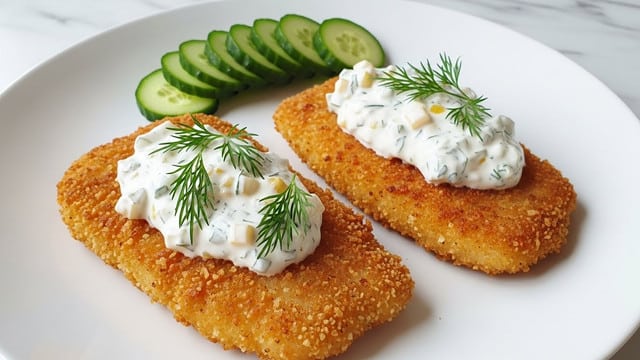
Crispy Dill Pickle Parmesan Chicken offers a delightful twist on classic fried chicken, combining tangy pickle juice with savory Parmesan for an irresistible flavor. This crunchy, juicy dish is perfect for an easy weeknight dinner or a satisfying weekend treat.
Ingredients
- 4 boneless, skinless chicken breasts
- 1 cup dill pickle juice
- 1 cup seasoned breadcrumbs
- ½ cup grated Parmesan cheese
- 2 large eggs
- ½ cup all-purpose flour
- 1 teaspoon garlic powder
- 1 teaspoon onion powder
- ½ teaspoon paprika
- Salt and pepper, to taste
- Cooking oil, for frying
Instructions
- Step 1: In a large bowl, combine the chicken breasts and dill pickle juice. Make sure the chicken is fully submerged and marinate in the refrigerator for at least 30 minutes.
- Step 2: Set up a three-bowl breading station: in the first bowl, mix the flour with salt, pepper, and garlic powder; in the second bowl, whisk the eggs; in the third bowl, combine the breadcrumbs and grated Parmesan cheese.
- Step 3: Heat enough cooking oil in a large skillet over medium heat to cover the bottom. Test the temperature by dropping in a breadcrumb—it should sizzle on contact.
- Step 4: Remove each chicken breast from the marinade, shaking off excess juice. Dredge it first in the seasoned flour, then dip into the egg mixture, and finally coat evenly with the breadcrumb-Parmesan mixture.
- Step 5: Carefully place the breaded chicken breasts into the hot oil. Fry for 5-7 minutes per side until golden brown and cooked through, reaching an internal temperature of 165°F (75°C). Avoid overcrowding the pan.
- Step 6: Transfer the cooked chicken to a plate lined with paper towels to drain excess oil.
- Step 7: Let the chicken rest for 5-10 minutes to retain its juices and ensure tenderness.
- Step 8: Serve immediately, or cool completely before storing in an airtight container for later enjoyment.
Tips & Variations
- For extra crunch, use panko breadcrumbs instead of regular breadcrumbs.
- Try adding a pinch of cayenne pepper to the breadcrumb mixture for a spicy kick.
- If you prefer baking, place the breaded chicken on a greased baking sheet and bake at 400°F (200°C) for 20-25 minutes, flipping halfway through.
- Use homemade breadcrumbs from day-old bread for a fresher texture and flavor.
Storage
Store cooked chicken in an airtight container in the refrigerator for up to 3 days. Reheat gently in a skillet or oven to maintain crispiness. Avoid microwaving directly, as it may make the coating soggy.
How to Serve
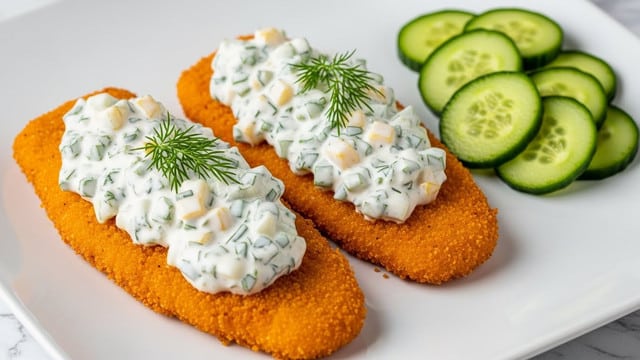
Serve this delicious recipe with your favorite sides.
FAQs
Can I use other types of pickles or pickle juice?
Yes, you can experiment with different pickle juices such as sweet or spicy varieties, but dill pickle juice provides the classic tangy flavor that pairs best with this recipe.
Is it necessary to marinate the chicken in pickle juice?
Marinating in pickle juice tenderizes the chicken and infuses it with a subtle tang. Skipping this step may result in less flavorful and less tender chicken.